

When it comes to protecting your property, choosing the right alarm system is crucial. Wired and wireless alarm systems each come with their own set of features, benefits, and challenges. Wired systems are known for their reliability and stable connections, making them a solid choice for those who value consistency. On the other hand, wireless systems offer unmatched flexibility and easy installation, appealing to those seeking modern, hassle-free solutions.
In this article, we’ll take a deep dive into the differences between wired and wireless business alarm systems to help you make an informed choice and protect your property.
How Wired Systems Work: Key Features
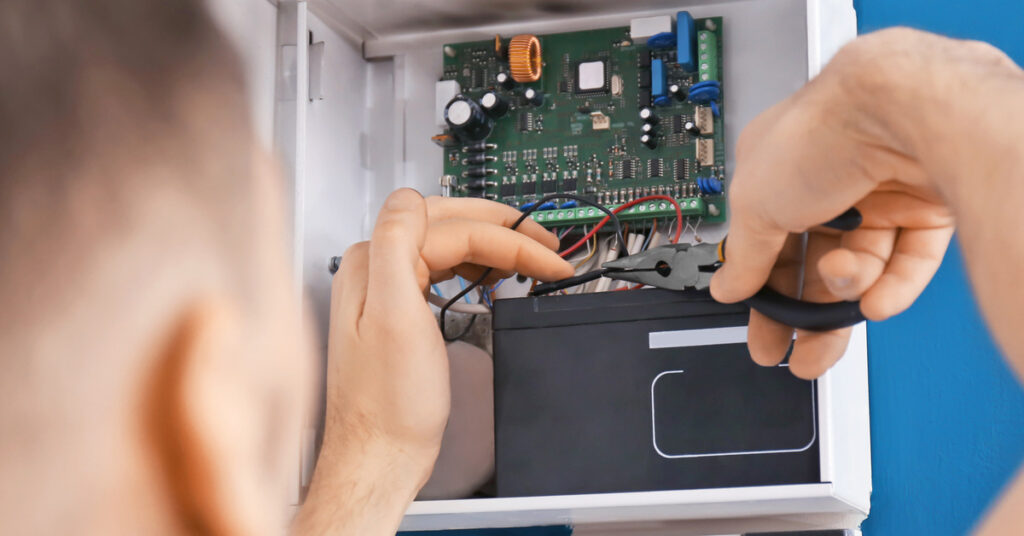
Wired alarm systems rely on physical connections, such as cables, to link all the components of the system, including sensors, control panels, and alarms. These systems are the gold standard for reliability because the hardwired connections minimize the risk of signal interference or disruptions. Wired systems are generally powered by the building’s electrical system with a backup battery in case of a power outage, ensuring consistent operation.
Installation typically requires professional assistance, as it involves running cables through walls or ceilings, which can be time-consuming but results in a more integrated and tamper-resistant setup. Due to their fixed nature, wired systems are ideal for businesses with permanent locations and stable security requirements, providing robust performance and peace of mind.
Pros of Wired Systems
Wired systems are generally more secure against hacking attempts than wireless systems, as they do not rely on internet connections or radio frequencies. They also tend to require less maintenance as there are no batteries to replace. For larger properties, wired systems are particularly advantageous as they can cover extensive areas without signal degradation.
Cons of Wired Systems
One of the most notable disadvantages is the complexity of installation. Unlike wireless systems, wired setups require professional installation, which can involve drilling, running cables through walls, and significant labor. This can make the initial setup process time-consuming and costly.
Additionally, the lack of flexibility in moving or expanding the system may pose challenges, as relocating wired components often requires rewiring efforts. In cases where aesthetics is a concern, exposed wiring can detract from the property’s appearance.
How Wireless Systems Work: Key Features
Wireless security systems operate by transmitting data through radio frequencies, eliminating the need for physical wires to connect components. These systems typically include sensors, cameras, and a control panel, all of which communicate wirelessly to monitor activity and detect potential threats.
The foundation of a wireless system lies in its use of secure communication protocols, which ensure that signals are sent and received reliably without interference. Many wireless systems integrate with Wi-Fi networks, allowing homeowners to manage and monitor their security setup remotely via smartphones or other devices. Additionally, modern wireless systems often include battery-powered components, providing continued operation even in the event of a power outage.
Pros of Wireless Systems
Wireless security systems offer numerous advantages, making them an appealing choice for a wide range of users. One of the most significant benefits is the ease of installation, as these systems require no extensive wiring or drilling, which can save time and effort. They are also incredibly flexible and scalable, allowing users to add or remove components as needed without major modifications.
Mobility is another key advantage; businesses can easily relocate wireless systems. Furthermore, these systems often integrate seamlessly with smart technology, providing users with remote access and control through smartphones or other devices.
Cons of Wireless Systems
Despite their benefits, wireless systems also come with certain drawbacks that potential users should consider. A common concern is their reliance on a stable internet or Wi-Fi connection. If the network is disrupted or experiences weak signals, the system’s functionality may be compromised. Additionally, some wireless systems can be vulnerable to interference from other electronic devices, which might reduce their effectiveness.
Another downside is the ongoing cost associated with features like cloud storage or professional monitoring, which can add up over time. Finally, while most wireless systems are equipped with security measures, there is still a perceived risk of hacking, which can deter some users.

Comparing Wired and Wireless Alarm Systems
Installation Requirements
When it comes to installation, wired and wireless alarm systems differ significantly in complexity and time required. Wired systems necessitate professional installation, as they involve running cables throughout the property, which can be invasive and time-consuming. This process often requires drilling into walls and may not be ideal for businesses that are renting, where modifications are challenging.
On the other hand, wireless systems are simple and fast to install. While you should still work with professionals to guarantee functionality, they require fewer tools and less time, helping you save on setup. This convenience can save time and money while offering flexibility for those who may move frequently.
Reliability and Performance
Both wired and wireless alarm systems have strengths in terms of reliability and performance. Wired systems are known for their consistency and dependability, as they are not affected by signal interference or battery life. This makes them particularly suitable for large properties or those with multiple potential interference sources.
Wireless systems, while advanced, can sometimes face challenges such as signal disruptions from other electronic devices or limited range. The choice often comes down to specific property needs and individual preferences.
Initial and Long-Term Costs
The costs associated with wired and wireless alarm systems can vary widely depending on the type of system and its features. Wired systems generally have higher upfront installation costs due to the need for professional setup and labor. However, once you install them, these systems often have fewer ongoing expenses.
Wireless systems, while typically more affordable to install, may have recurring costs such as battery replacements, cloud storage fees, or professional monitoring subscriptions. Considering both initial investment and long-term expenses is crucial when deciding which system aligns best with your budget and requirements.
Scalability and Maintenance
Scalability and maintenance are important factors to evaluate when choosing between wired and wireless alarm systems. Wired systems can be more challenging to scale, as adding new components often requires additional wiring and professional assistance. This can make expanding the system costly and time-intensive.
Wireless systems, conversely, offer excellent scalability, allowing you to add new sensors or devices without complex installations. Maintenance is another point of differentiation. Wired systems require less upkeep, while wireless systems necessitate regular battery replacements and occasional troubleshooting to address connectivity issues.
Ultimately, the choice between wired and wireless business alarm systems depends on your needs and priorities. Fortunately, whichever you choose, our team has the expertise and tools to get the job done.
We specialize in business and home automation alarm systems and can provide customized solutions for your space. With our comprehensive security services, we guarantee the safety and protection of your home or business.